Size
185 acres

Completion
2027

Founded
2025

Trees planted
130,600

CO₂e sequestered over a period of 100 years
20,074 Tonnes

Leaky dams and biodiversity
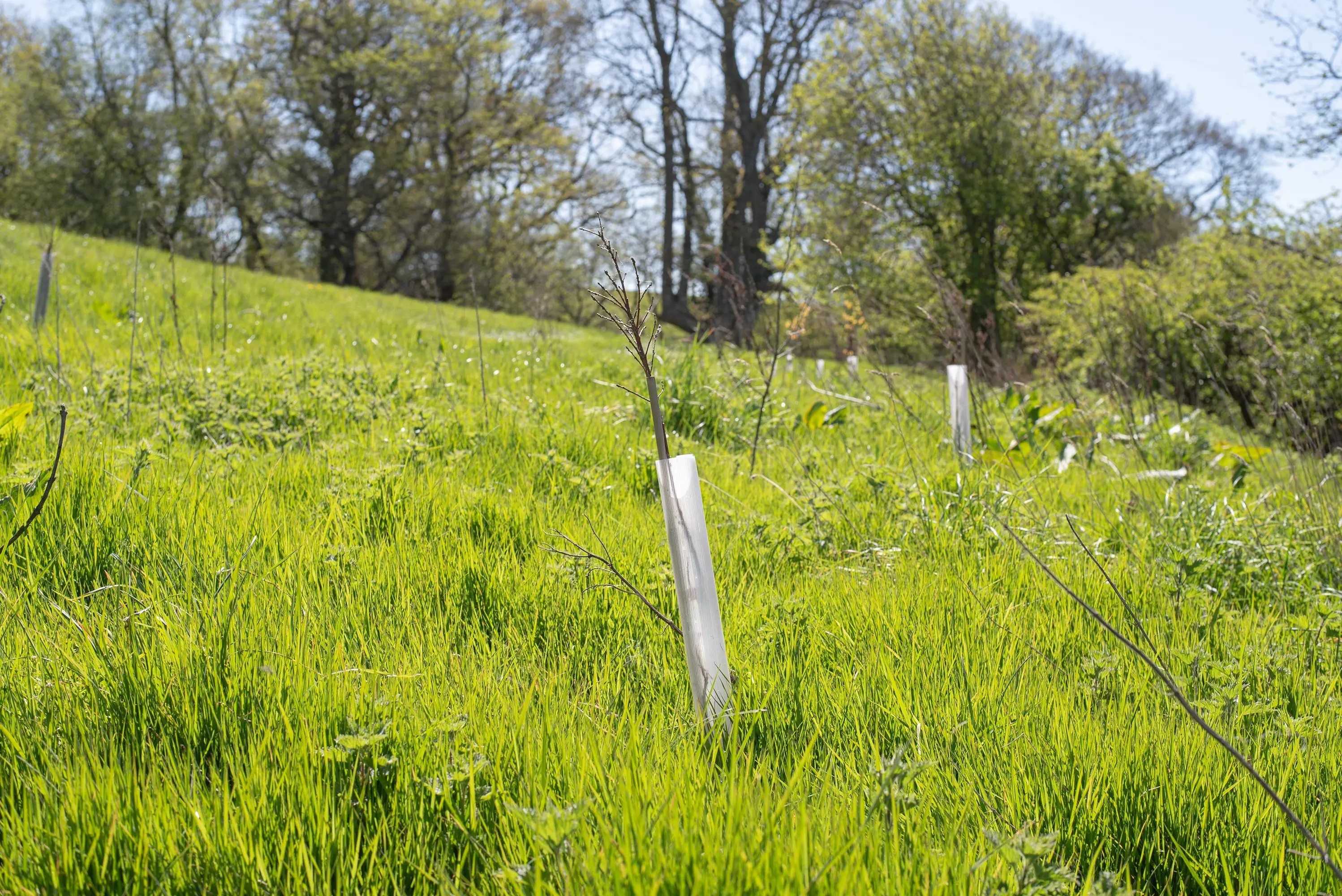
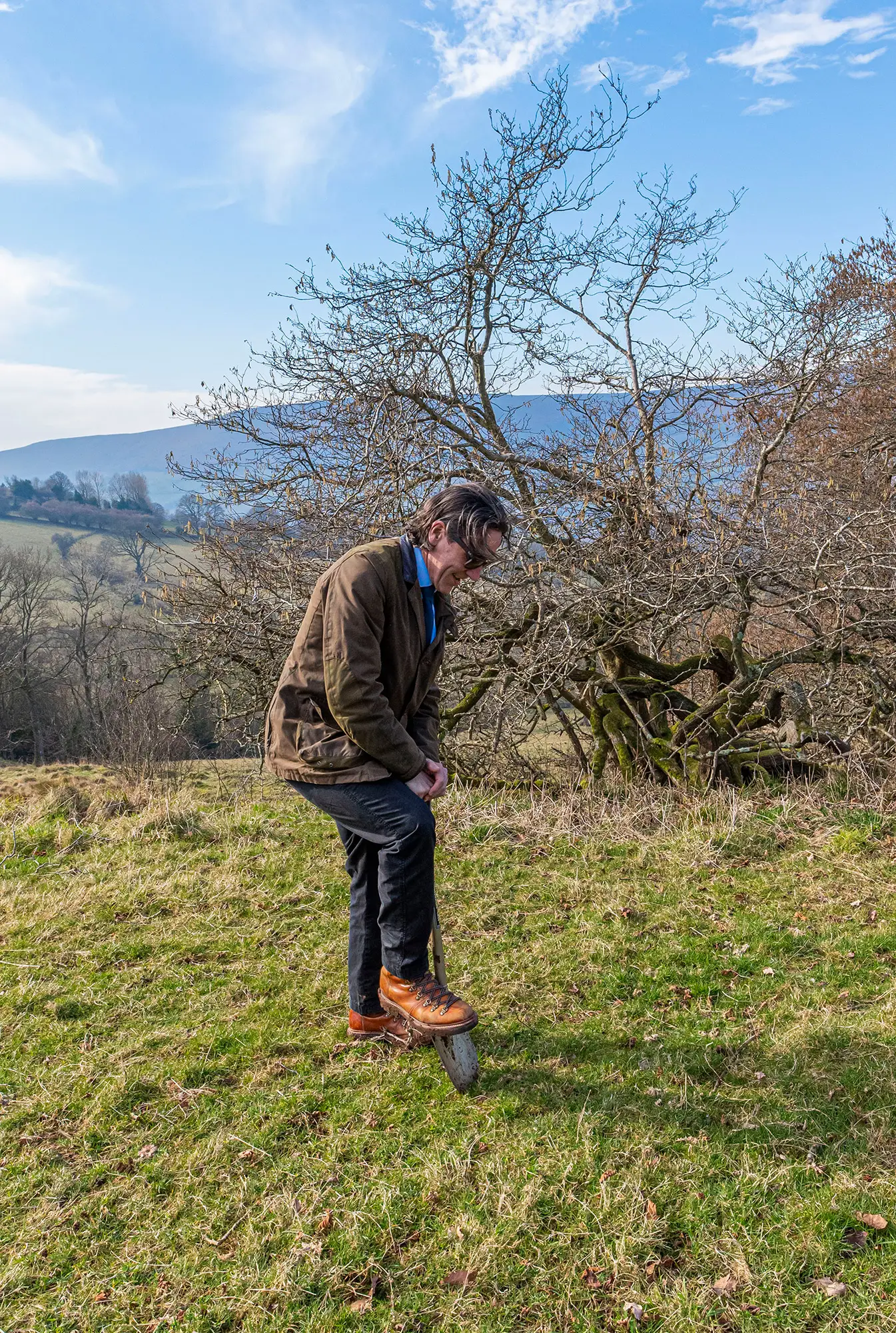
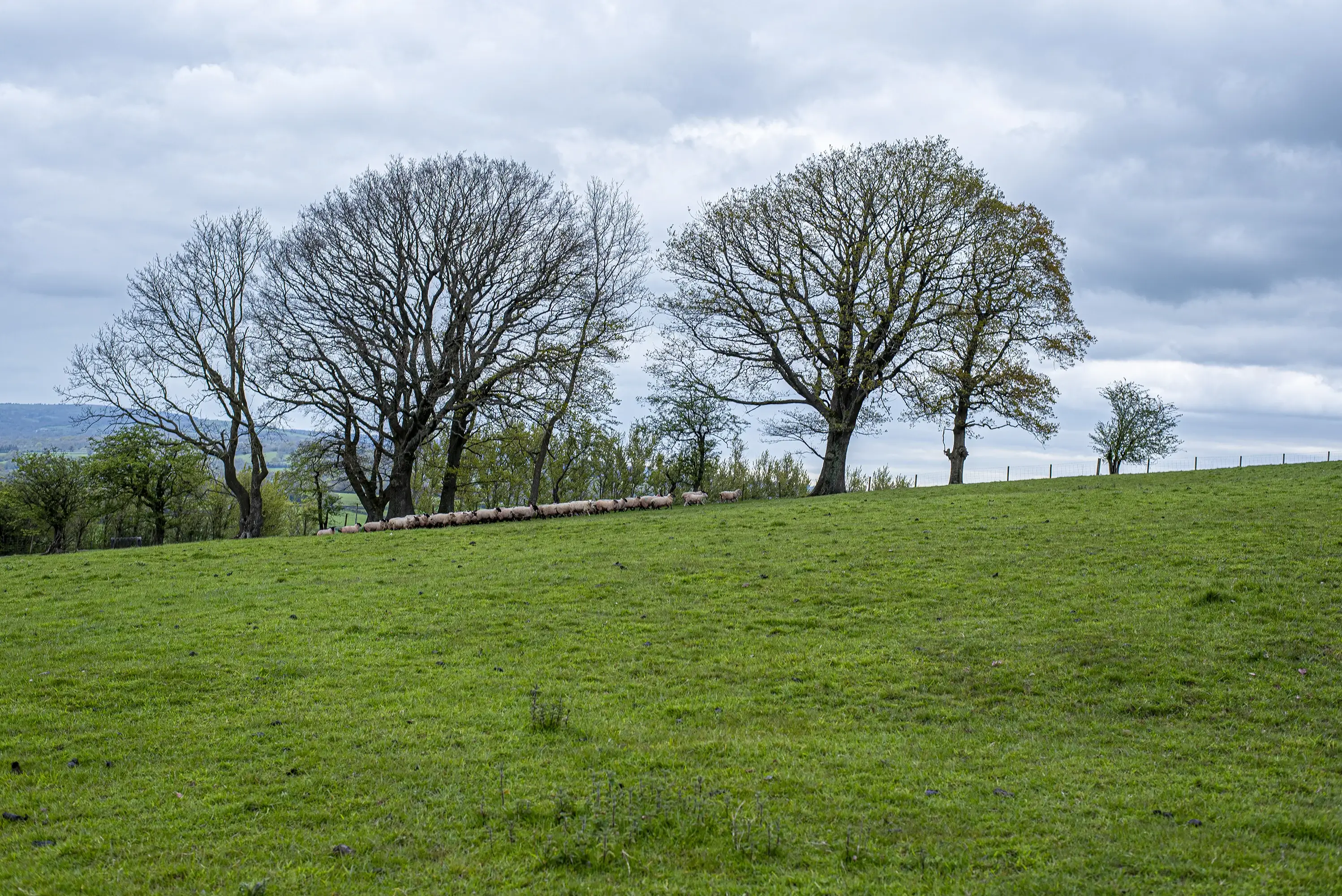
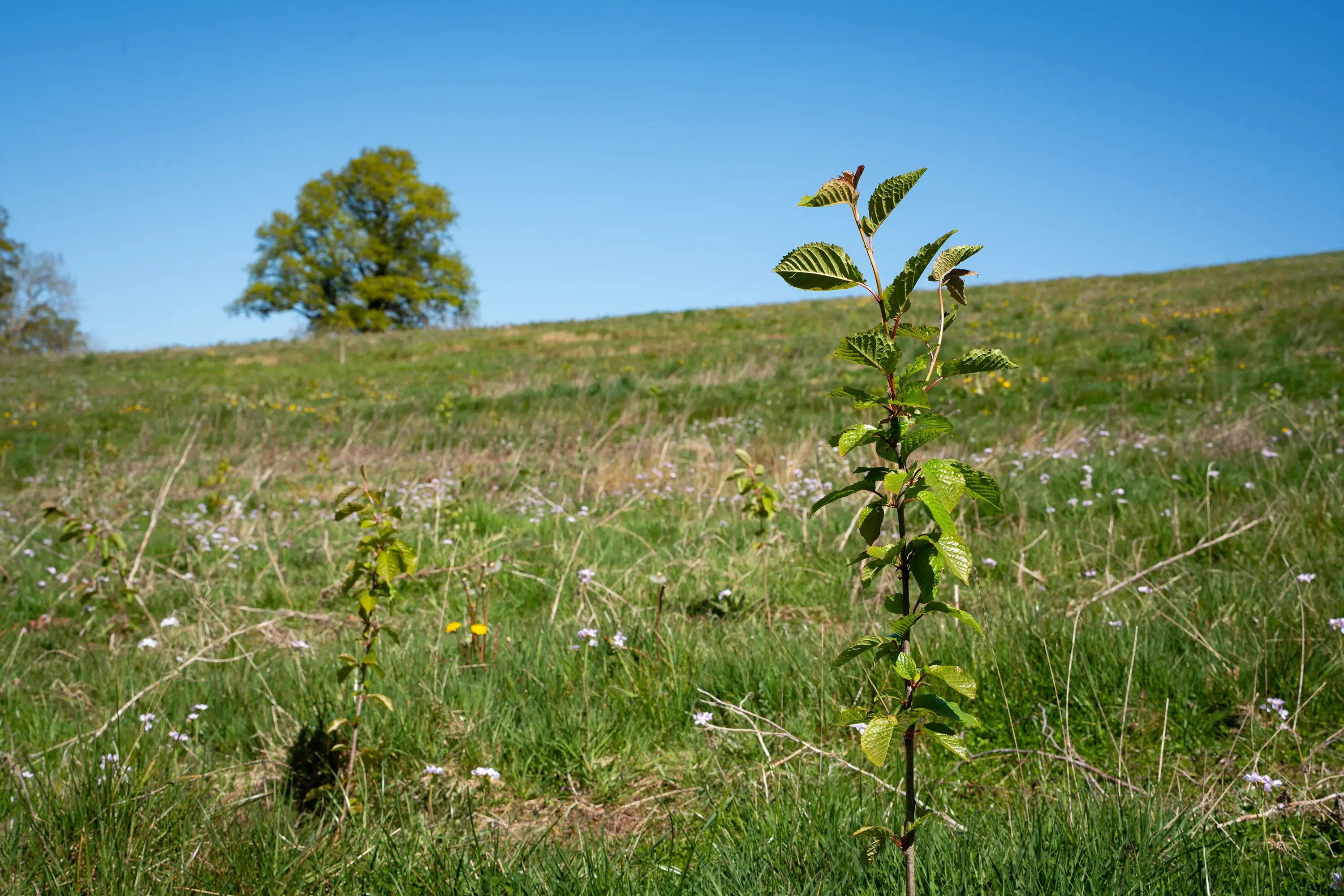
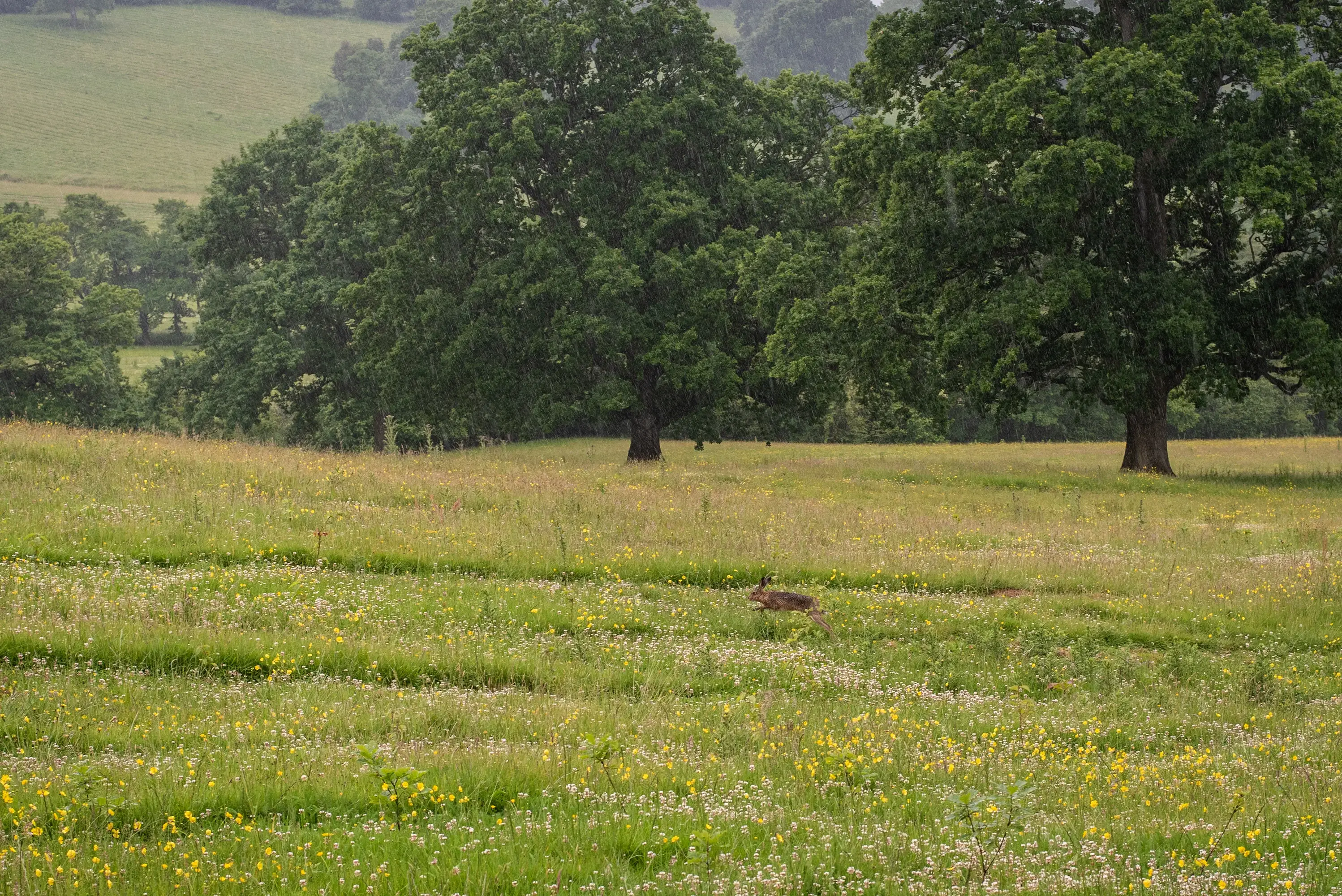
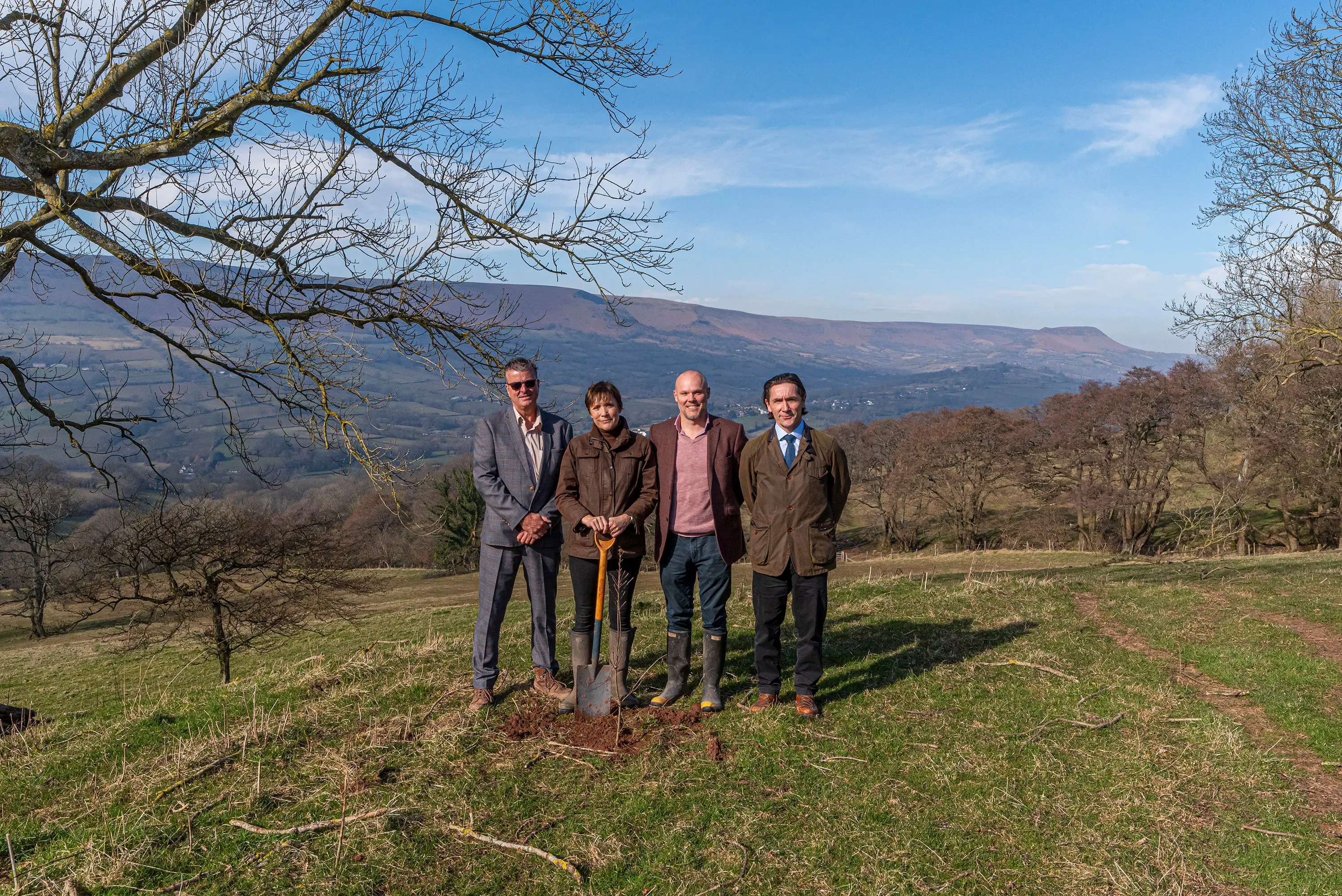
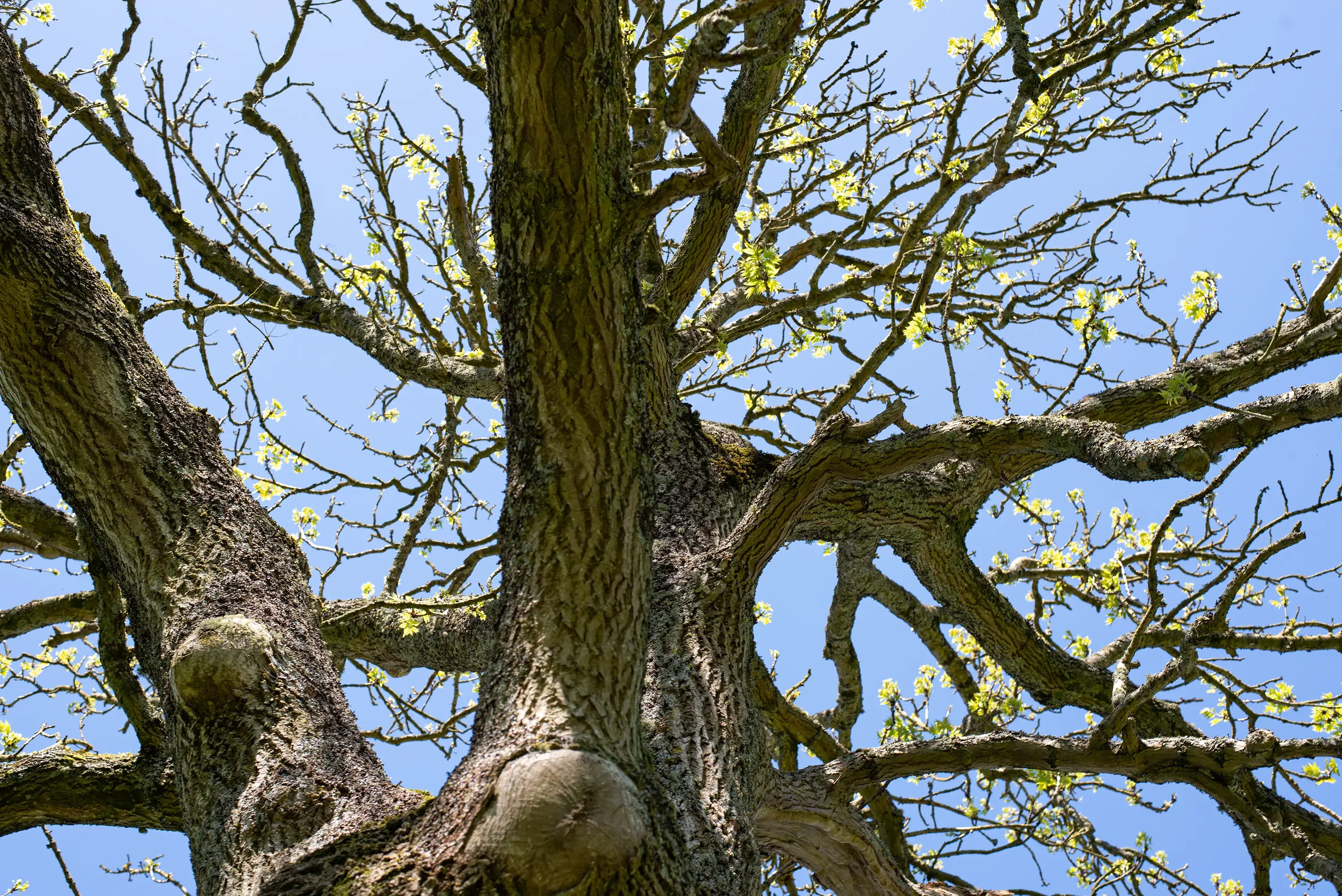
In addition to tree planting of twenty-three native broadleaf high-canopy oak and continuous cover forestry species, a key goal at the Brook is to encourage biodiversity.
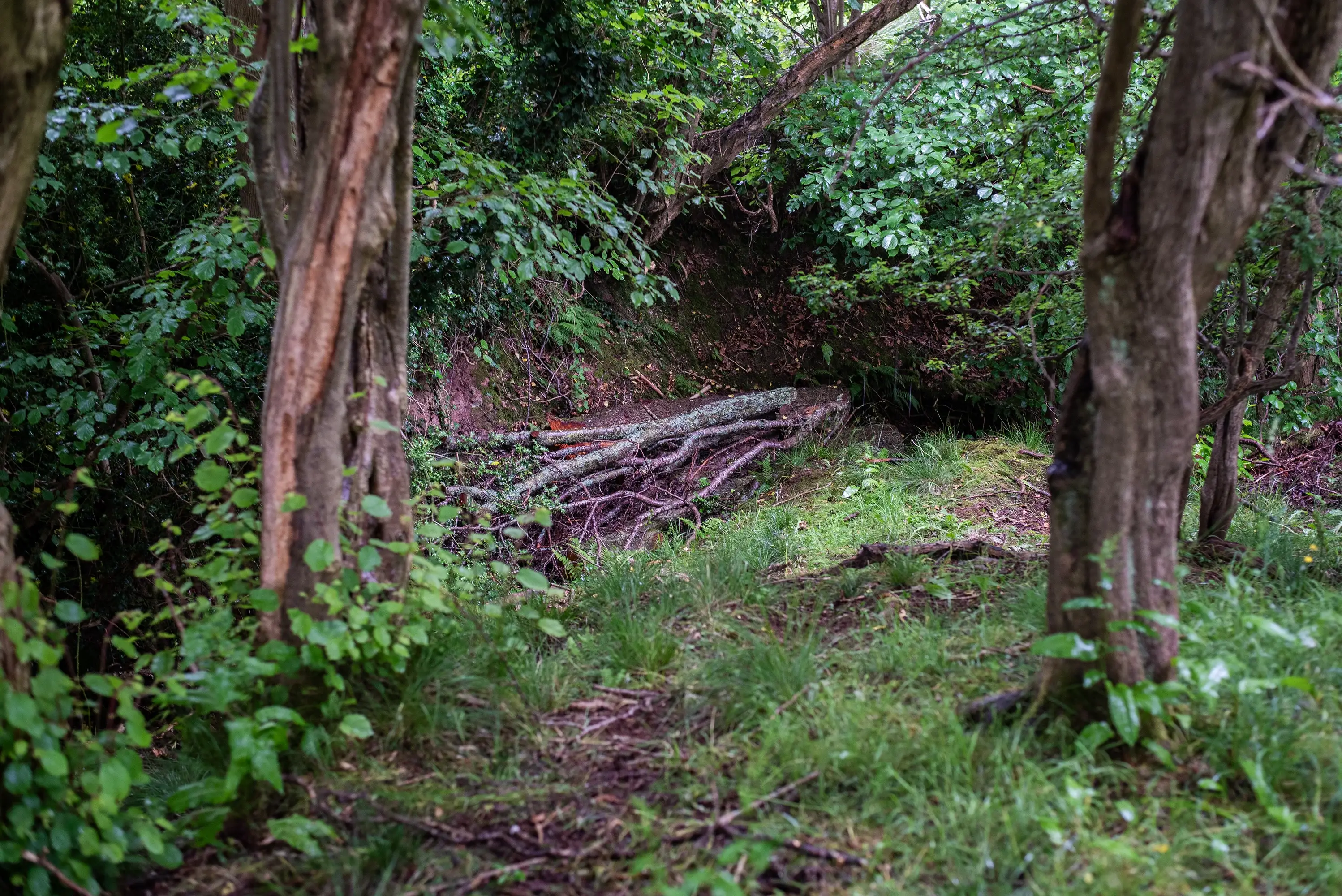
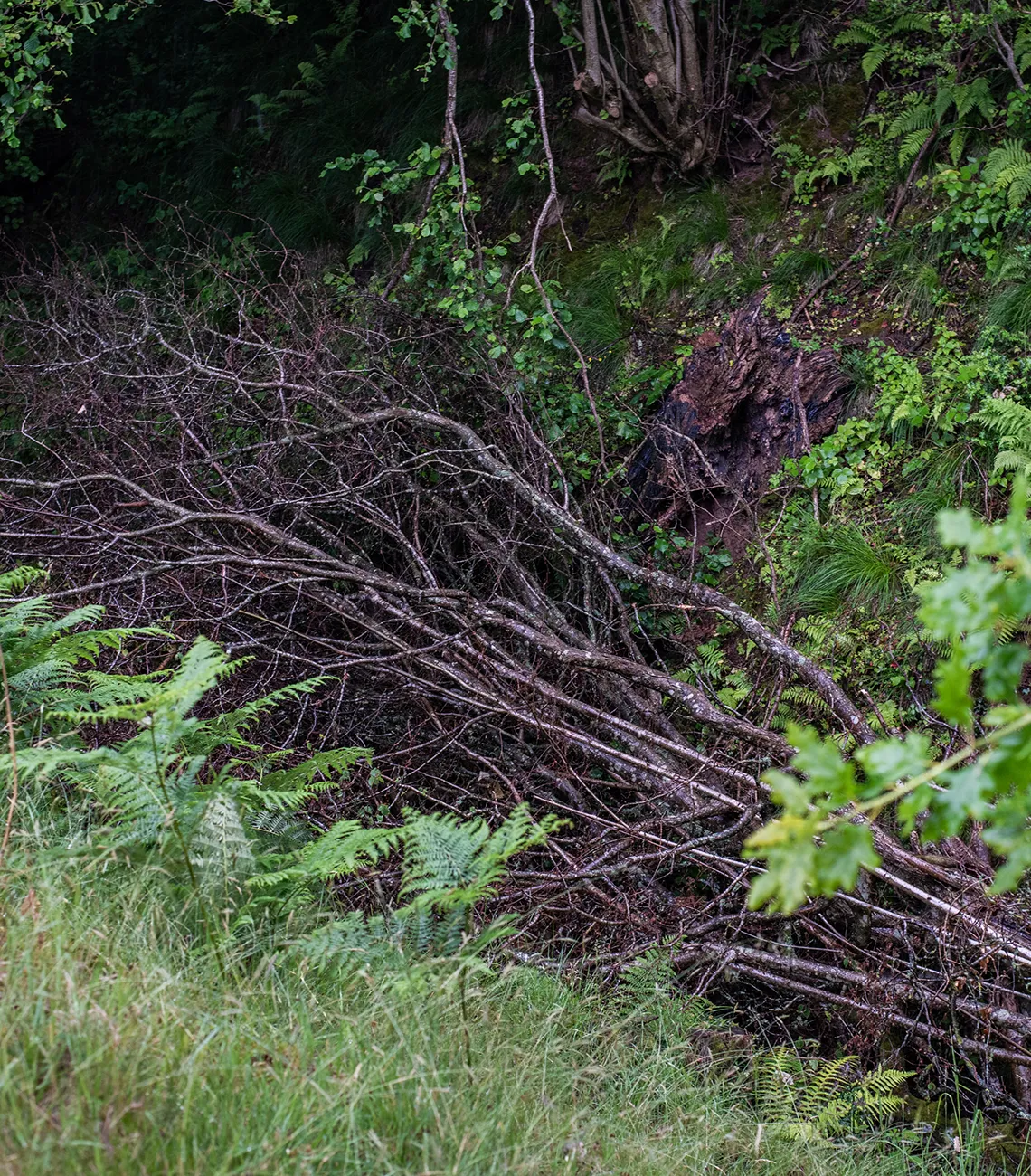
The scheme integrates key landscape interventions to support natural flood management. Leaky dams are being installed across The Brook’s watercourses, which are tributaries of the River Monnow.
Leaky dams
These structures are designed to temporarily hold back water during heavy rainfall, helping reduce downstream flood risk and enhancing wetland habitats for a variety of freshwater fish, invertebrates, and other fauna.
They are known to prevent erosion and preserve soil nutrients, stabilising riverbanks and maintaining the health of the woodland. In total, twelve dams will be built across the site.
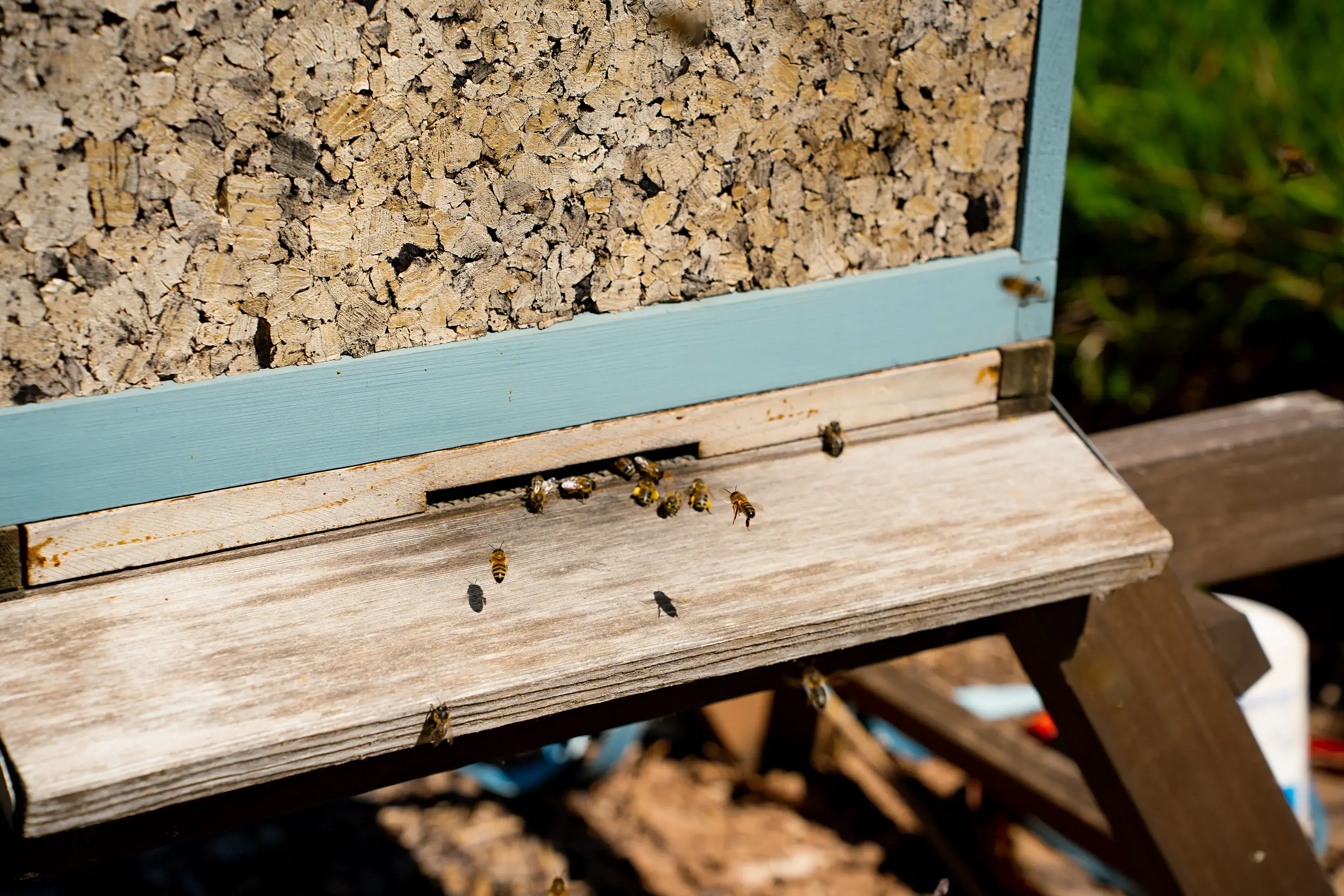
A hive of activity
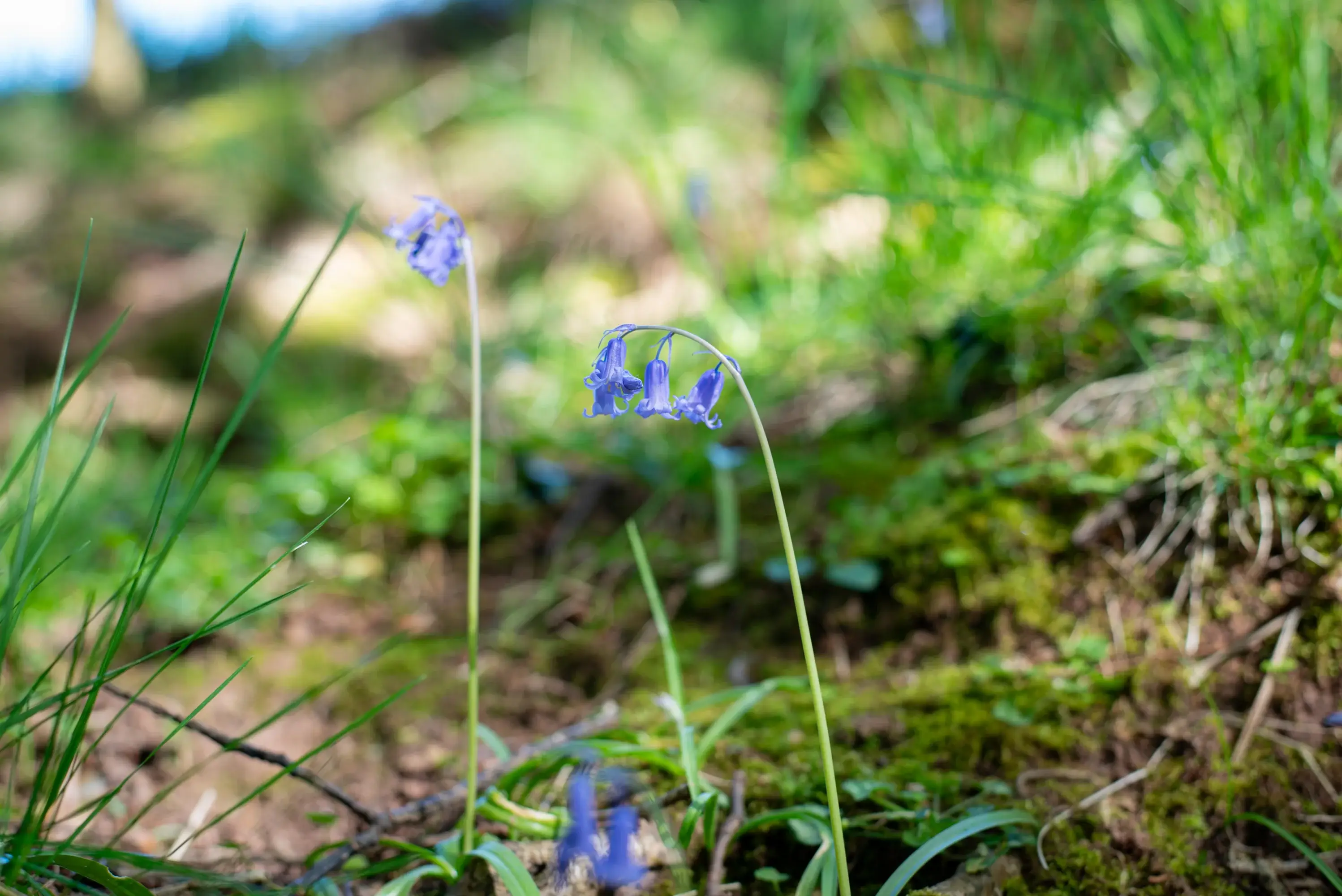
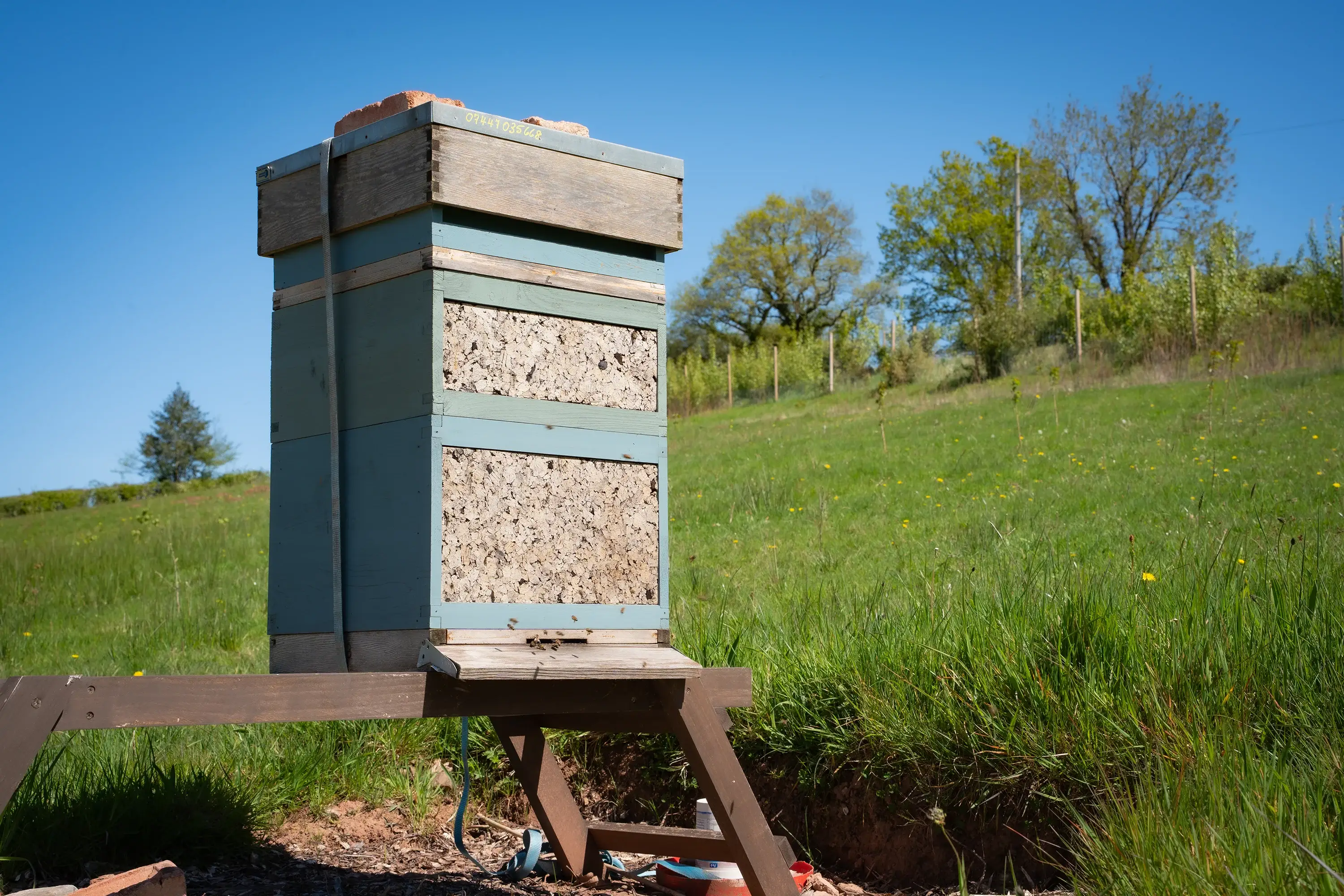
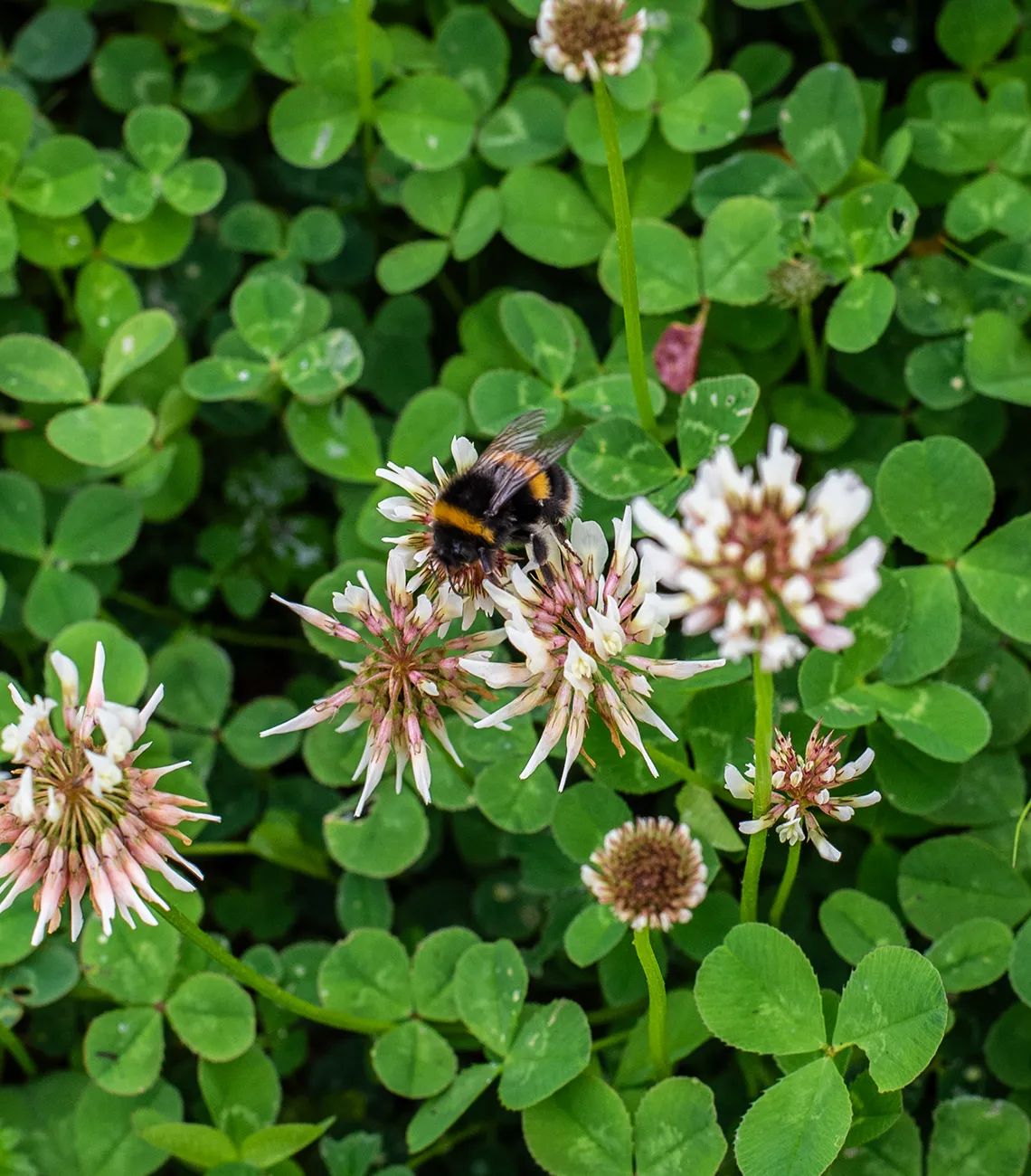
Furthermore, several beehives will be established at key locations to enhance pollination and stimulate the growth of wild flora.
Much thought has gone into how to maximise biodiversity and resilience in the context of current and future climate conditions. Woodland blocks of varying character will mirror the land's contours and change in different ways as the seasons pass.
Public access
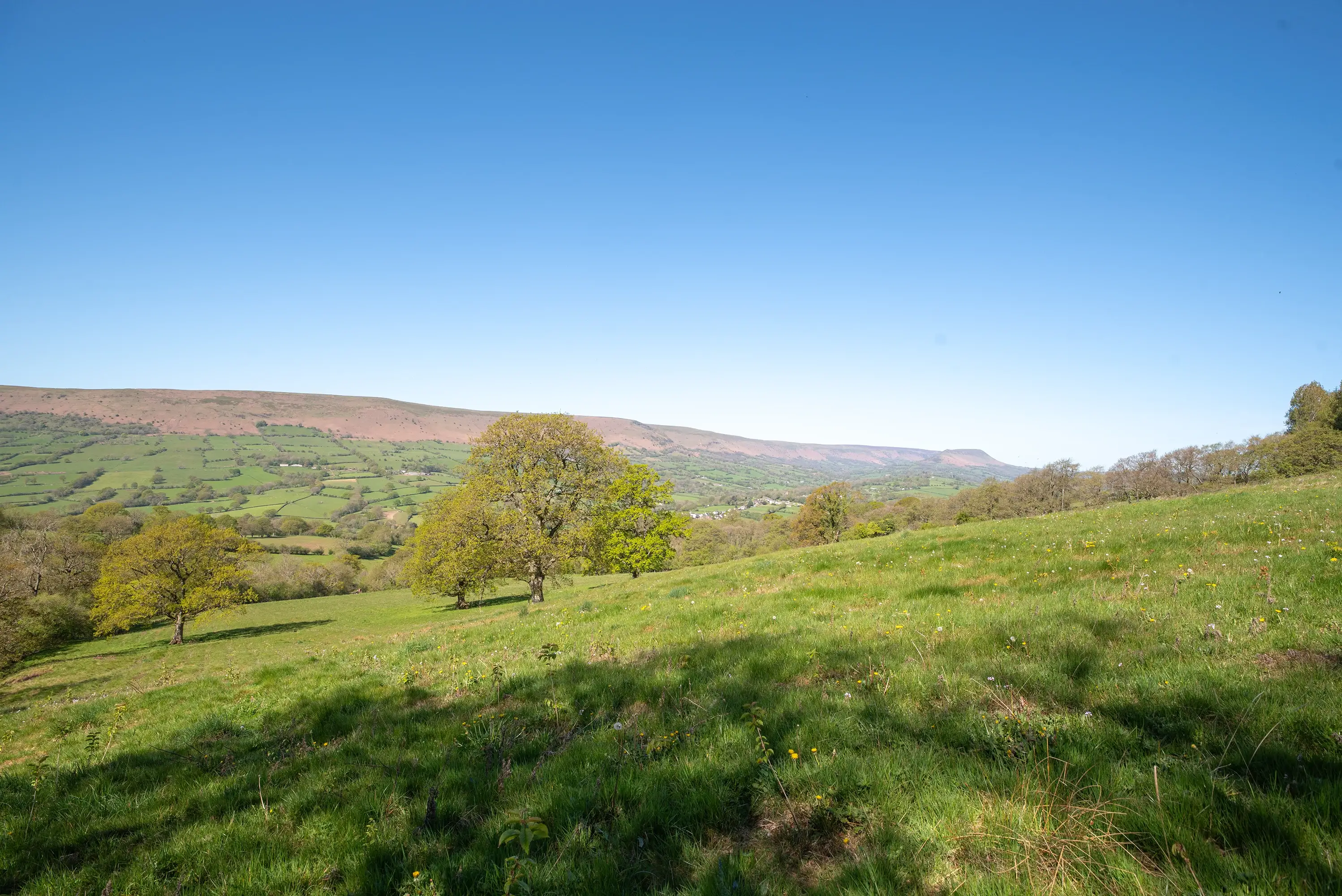
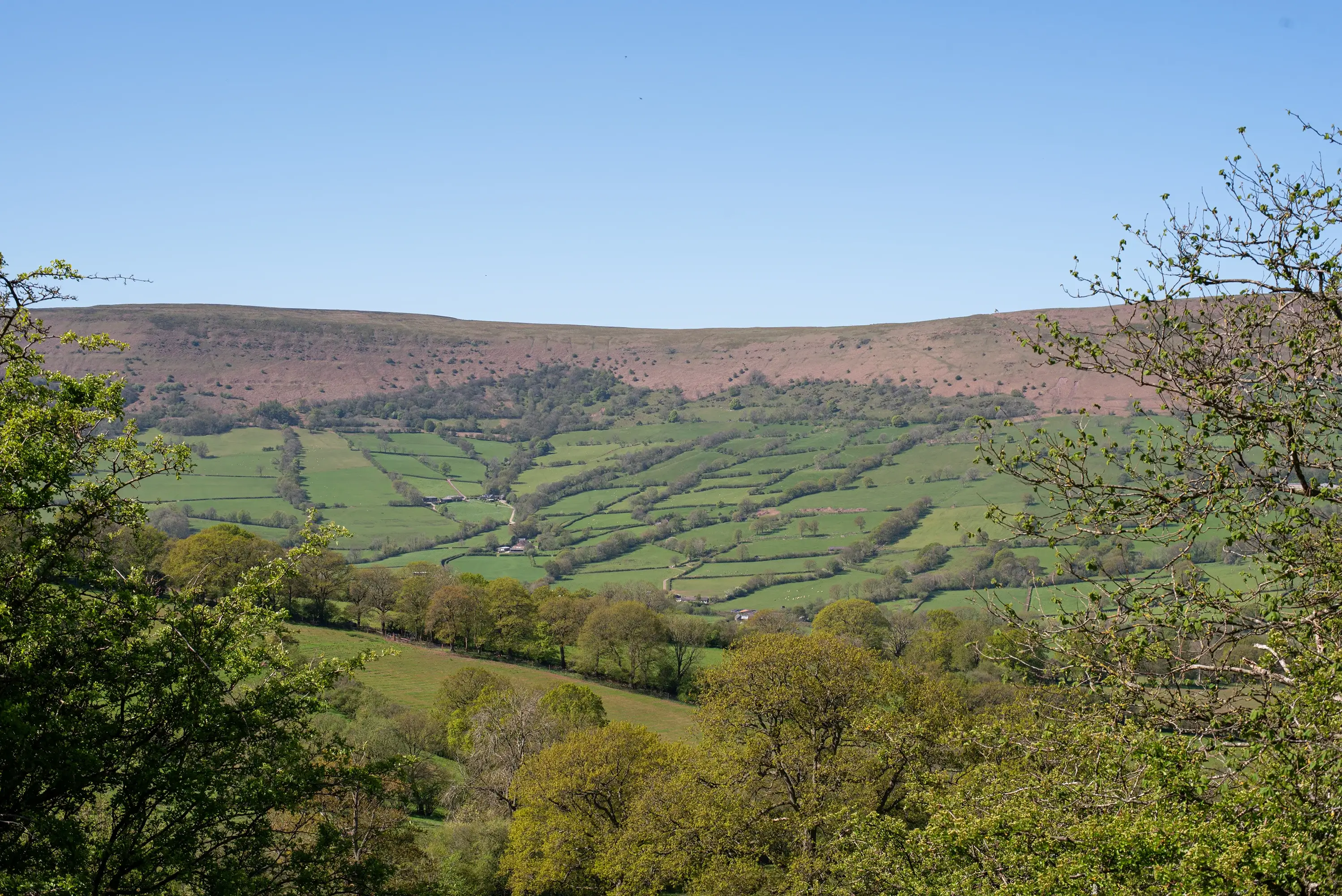
With planting underway, the woodland aims to fulfil a wide variety of objectives for residents and visitors to the ’Golden Valley’ region and beyond, not to mention the native wildlife, plants, flowers, fungi, and insects.
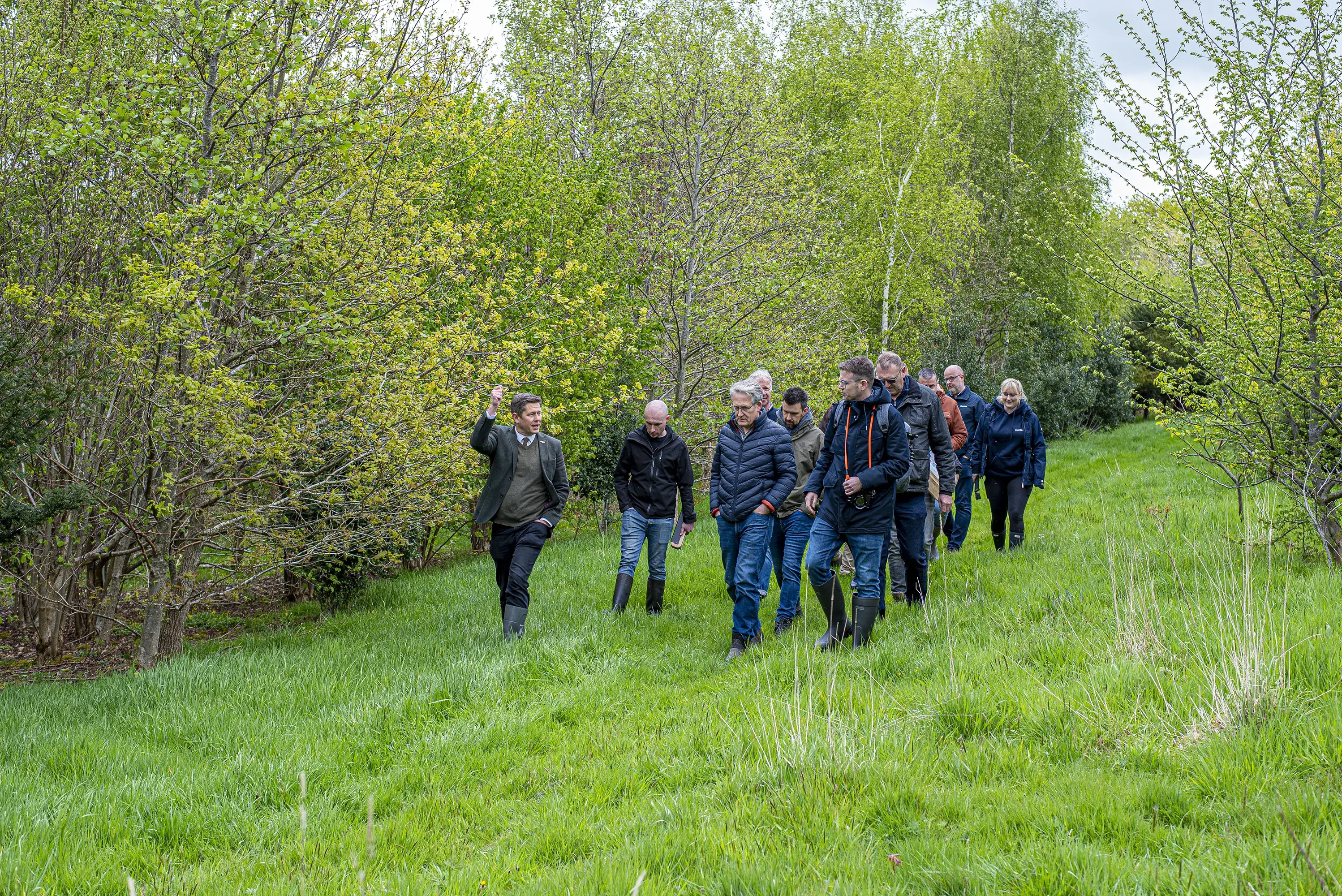
Public engagement and access are central to the Brook project. The plan includes over 4,000 metres of accessible new footpaths made from locally sourced stone, seating and picnic benches made from recycled material, and educational signage for visitors. The site is designed to be accessible to all.
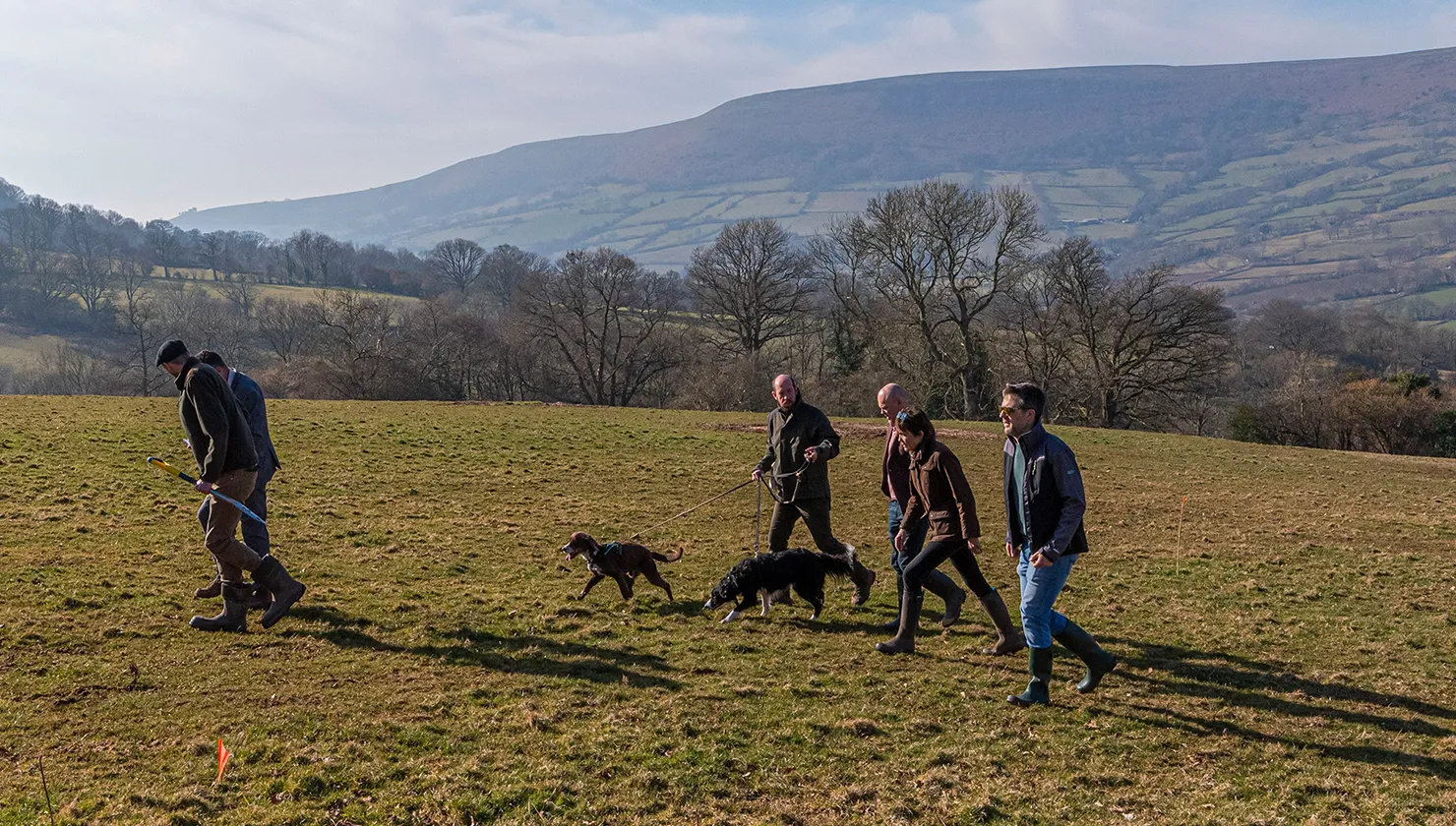
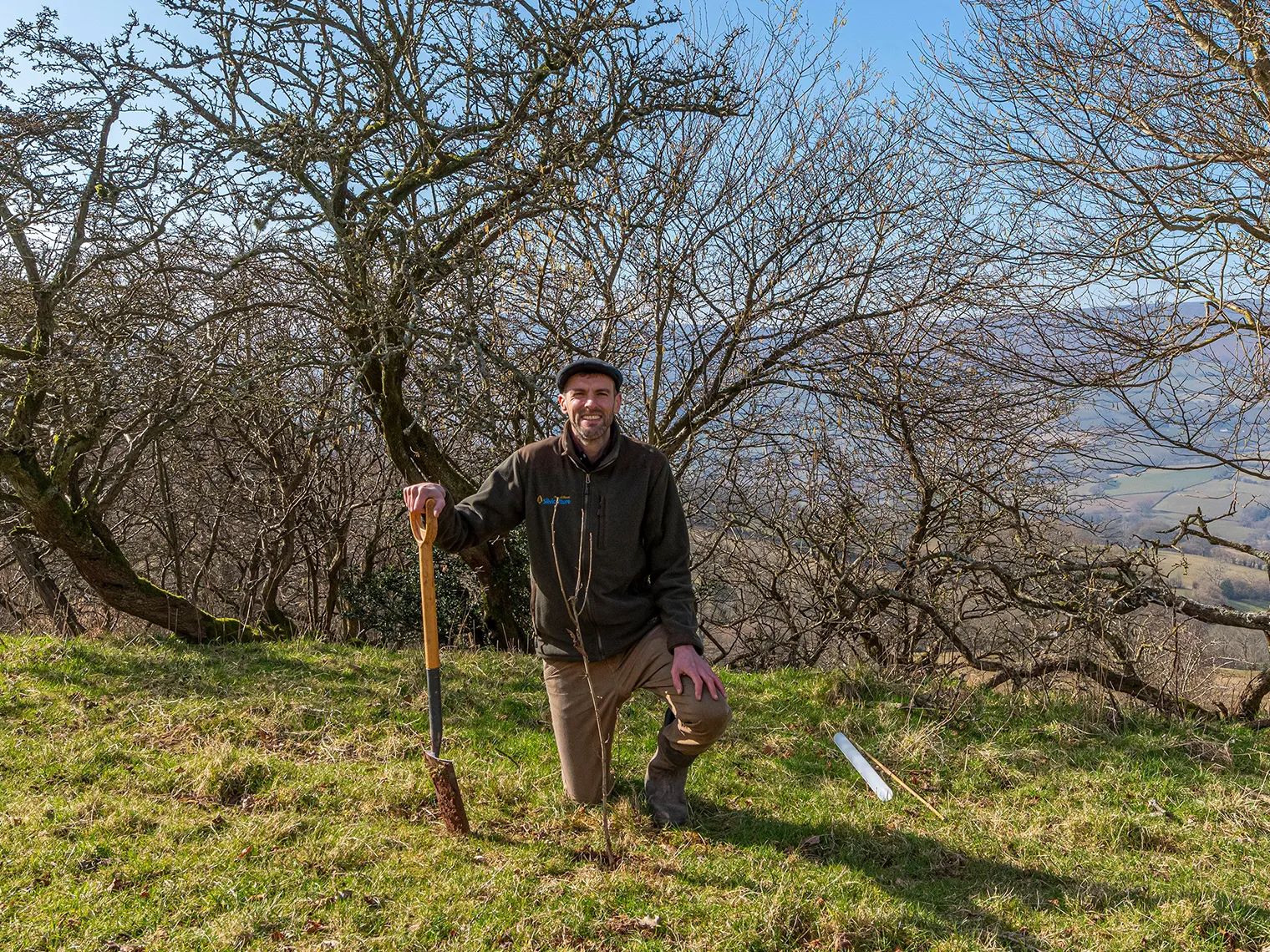
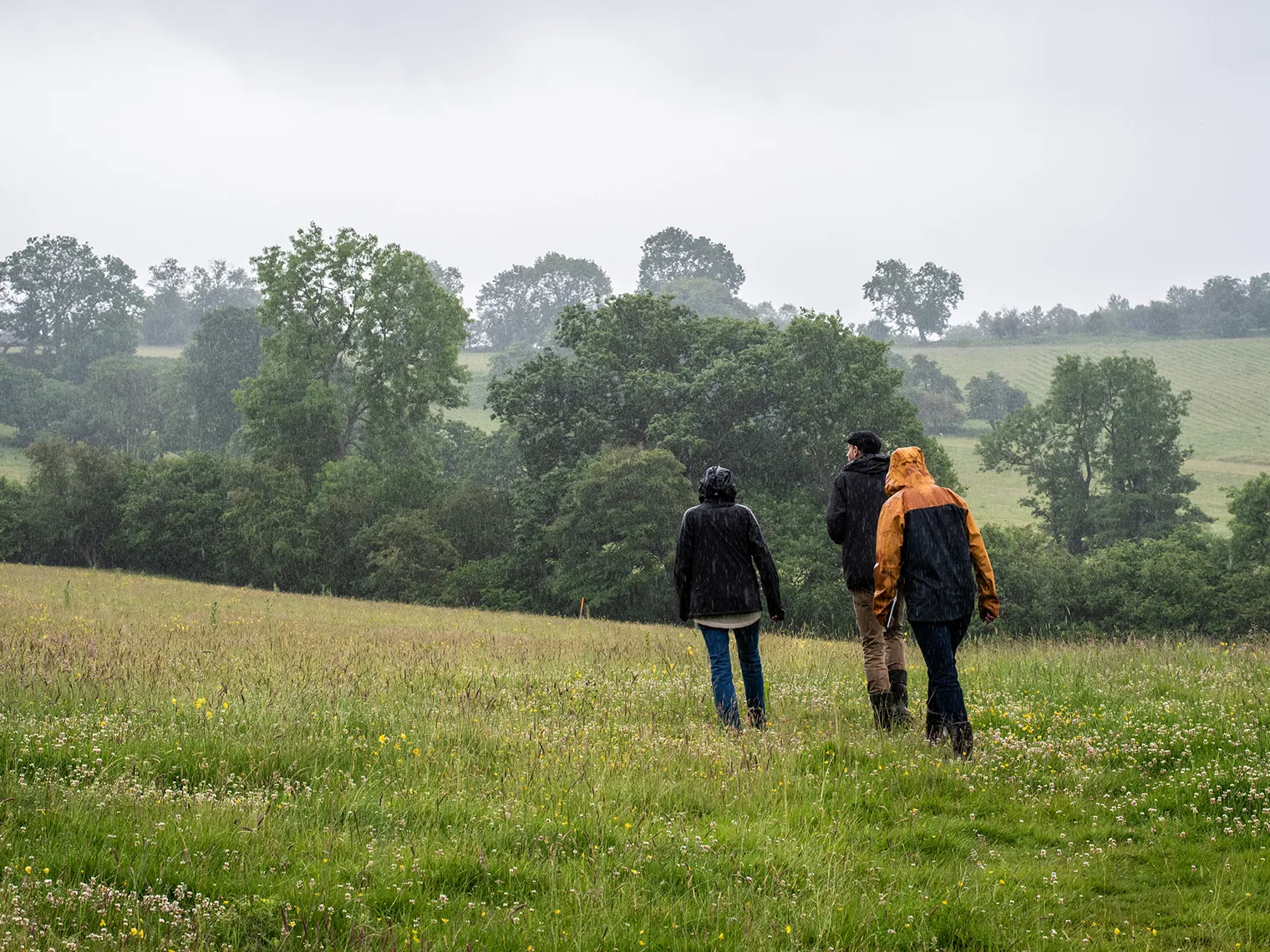
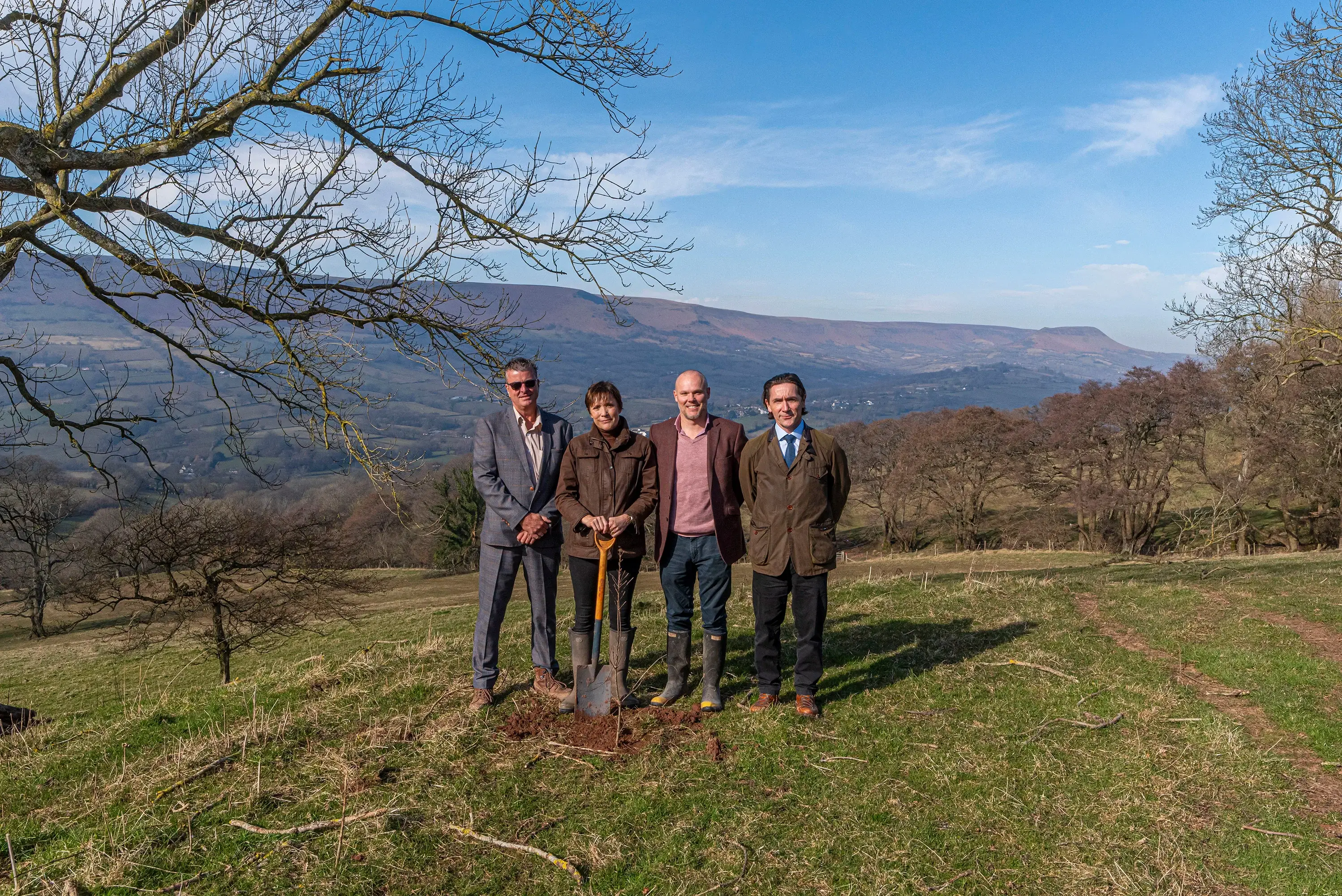
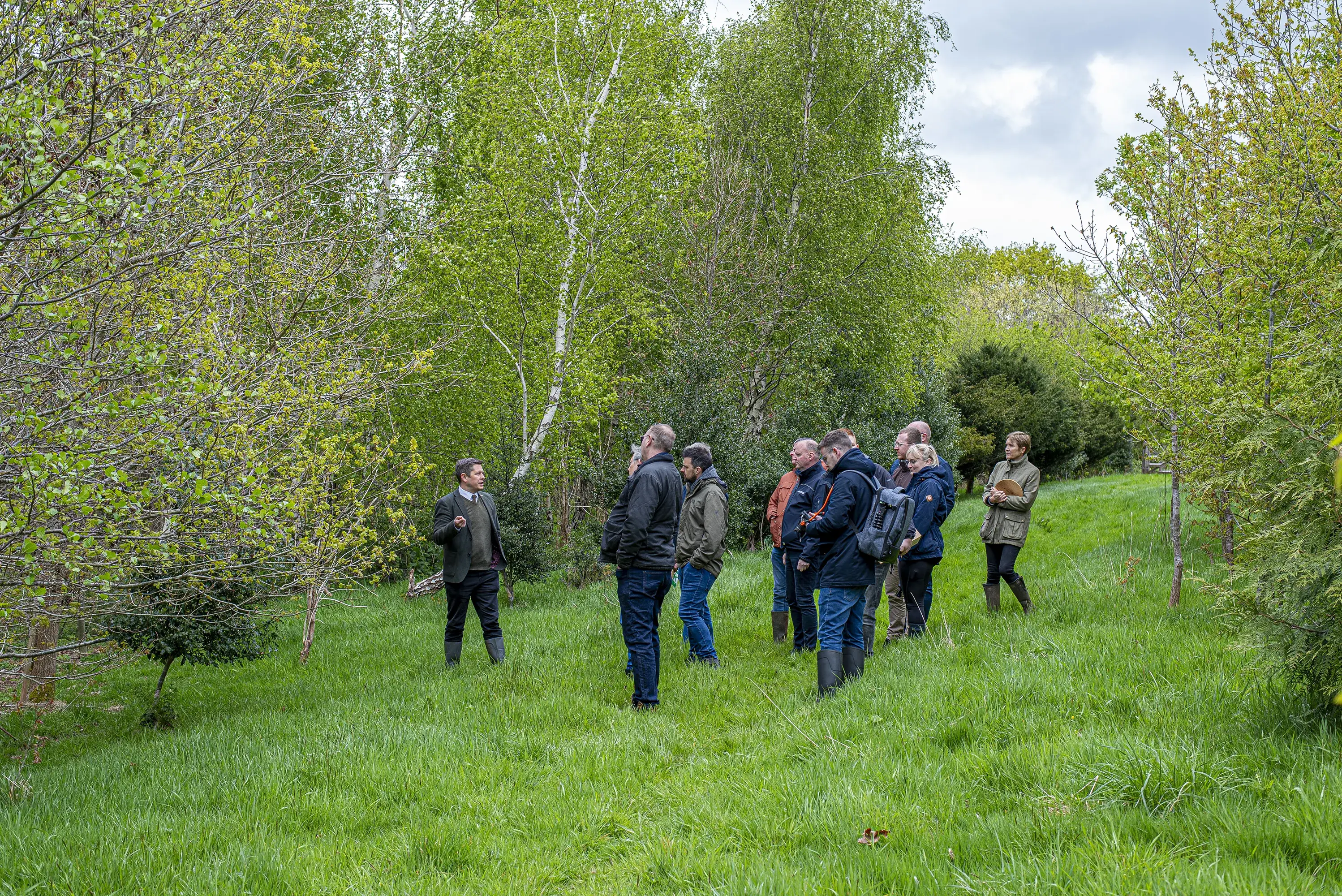
As with the Cwm Fagor project, the Brook has been designed and is managed by an expert silviculturist. Besides managing planted trees, this includes ongoing weeding, maintenance, and pest control.
Once the project is completed, the Brook will be open year-round for visitors, cyclists, and local families. Thorlux is forging links with naturalists and nearby community interests to ensure the Brook serves as a classroom and recreational amenity for generations to come.
The Brook at a glance