Carbon offsetting

The Thorlux carbon offsetting projects
The Thorlux carbon offsetting projects reflect a long-standing commitment to sustainability, helping to compensate for CO₂ emissions generated through manufacturing and business operations while supporting responsible land management, habitat restoration, and wider environmental improvements that deliver lasting benefits for biodiversity and the natural environment.
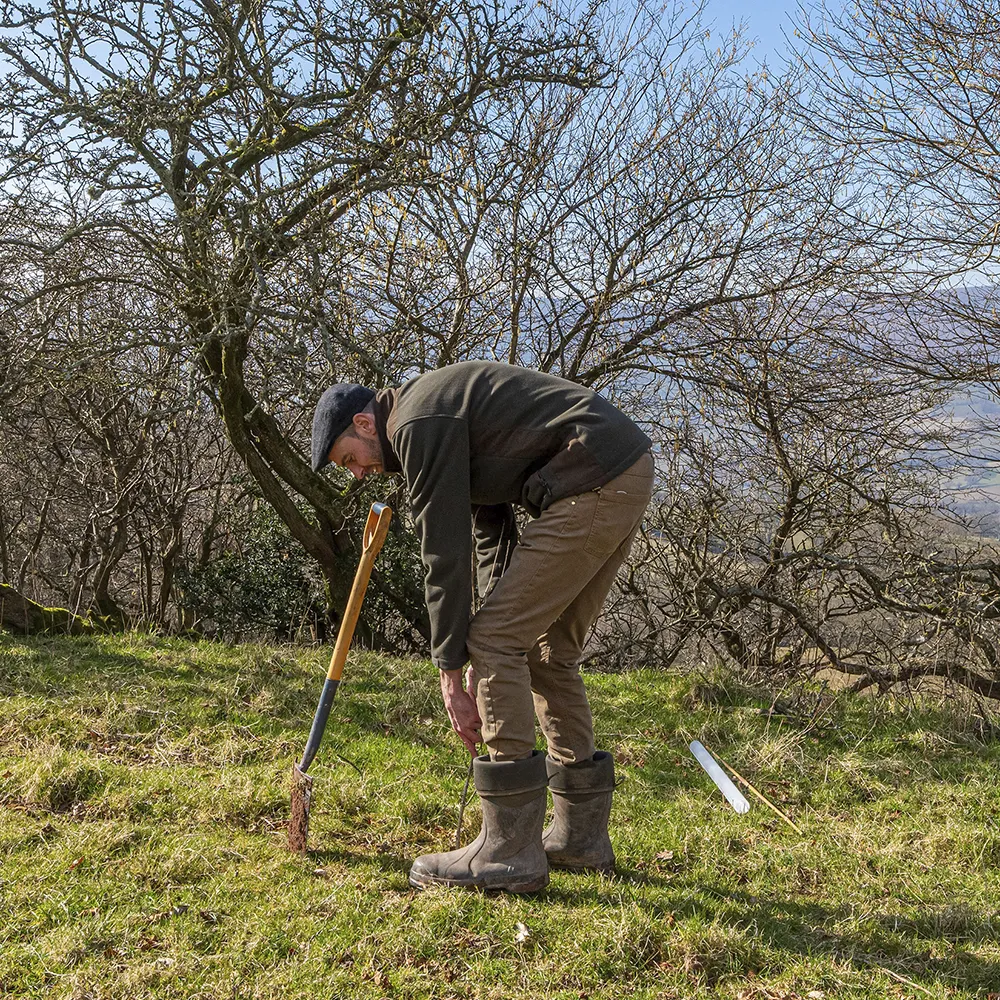
Thorlux has been planting new woodland since 2009, but is keenly aware that tree planting is not just a singular act; it involves developing a longstanding relationship with the landscape to foster healthy, multifunctional, biodiverse, and sustainable habitats.
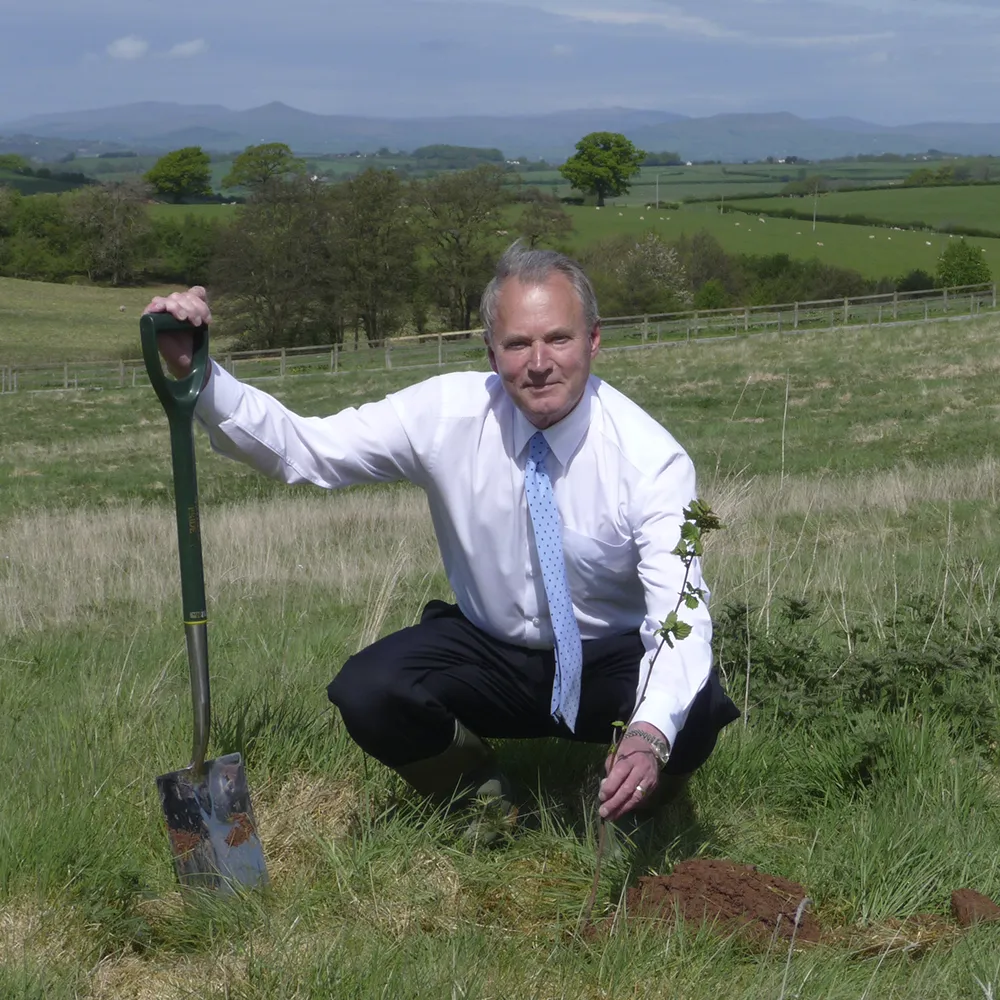
As such, Thorlux has carefully chosen where and how it plants trees, in partnership with a team of skilled and experienced woodland managers. The Thorlux Carbon Offsetting Project now encompasses two sites, thousands of trees, and multiple creative biodiversity initiatives.
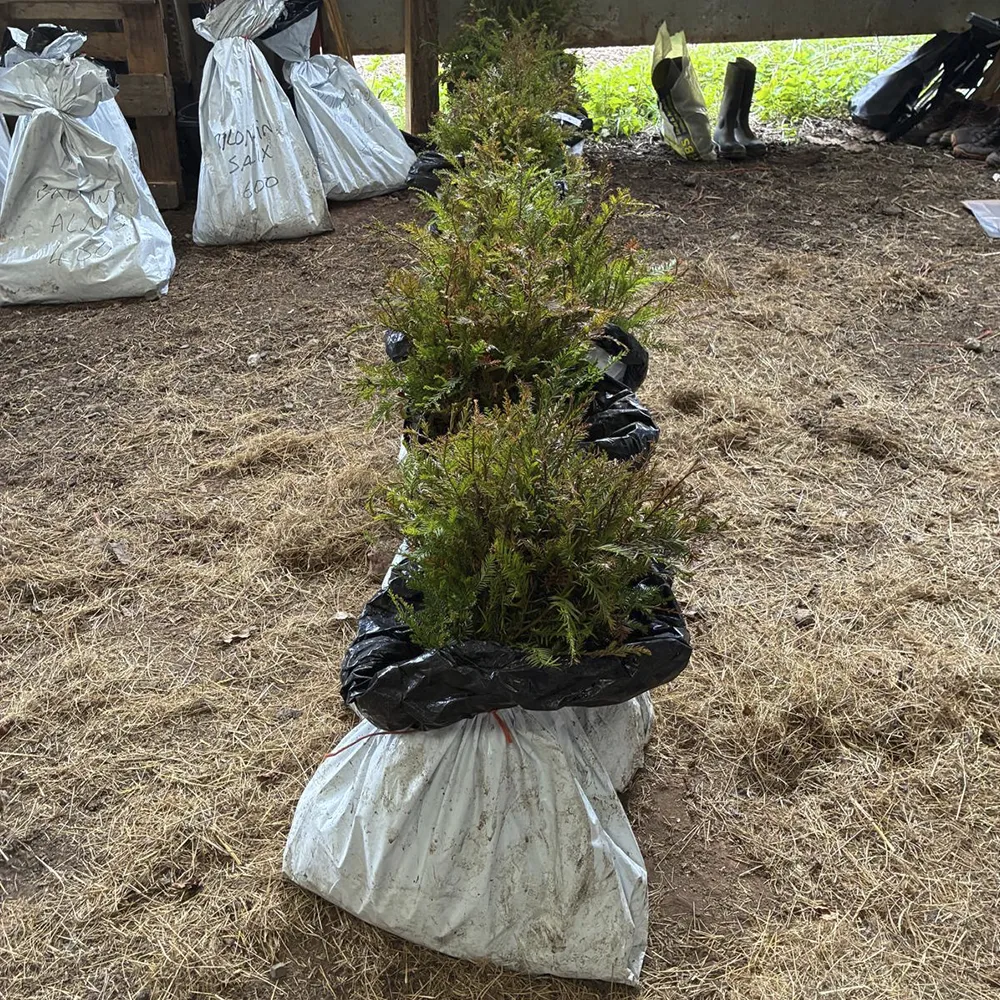
Forestry management principles require the planting of four to five trees for every one that grows to maturity. This offsets one tonne of CO₂e.
Faster-maturing tree species are thinned to allow the slower-growing species to for the remaining forest.
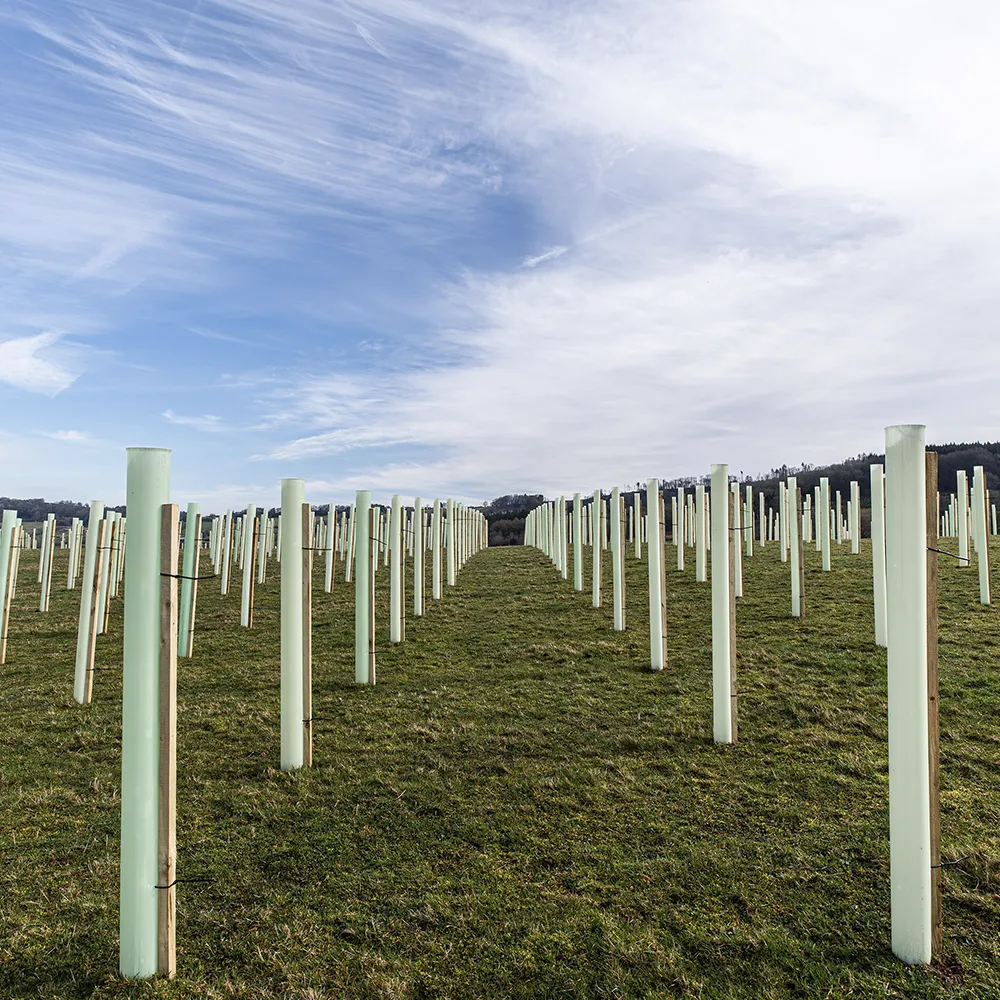
Both Thorlux carbon offsetting sites have been designed and are managed by a silviculturist (an expert in the development and management of forests). Follow the links above to learn more about woodlands, find answers to frequent questions, and see how you can help.